

By Brenda S. Cox
Happy New Year! Do you start out the New Year with looking back over the old year and thinking about the new? One way to do that is with the Prayer of Examen. This can be used each day, or for longer periods of time.
There are many ways to pray the examen, but essentially you are:
- Thinking through that time period
- Looking for times when you felt you were experiencing God (or highlights of the time)
- Giving thanks for those.
- Looking for times when you felt distant from God (or hard places during that time)
- Thinking about why.
- Offering up those moments, positive and negative to God, and possibly
- Asking Him what He wants you to learn.
This year, you might consider doing this in the context of the virtues. Virtues are simply good, desirable moral qualities. Haven’t we all said, at some point, “I wish I were more patient”? Or, “I wish I were more brave”? These are virtues we can grow in.
Jane Austen shows many virtues (and vices) in her novels. Mrs. Smith of Persuasion is a great example of a woman with valuable virtues:
“This [Mrs. Smith’s happiness] was not a case of fortitude or of resignation only.—A submissive spirit might be patient, a strong understanding would supply resolution, but here was something more; here was that elasticity of mind, that disposition to be comforted, that power of turning readily from evil to good, and of finding employment which carried her out of herself, which was from Nature alone. It was the choicest gift of Heaven; and Anne viewed her friend as one of those instances in which, by a merciful appointment, it seems designed to counterbalance almost every other want.”—Persuasion, chapter 17
Fortitude (courage), patience, turning readily from evil circumstances to good reactions; I imagine we would all like more of those qualities. In evaluating this past year, you might want to look over the lists below. Choose one virtue that you think you’ve been growing in, and one that you are struggling with. Then look back over the year for times when you saw, or didn’t see, those virtues in your life, or the lives of people around you. And pray to grow in those in the coming year.
I’ve read three books about Austen and the virtues, and they each have different approaches and lists of virtues. Here are some of the virtues they talk about. I’ve included novels where I think we find these illustrated.
The “Cardinal Virtues” (from classical philosophy):
- Justice (integrity, moral uprightness) —Pride and Prejudice, Emma
- Temperance (self-control)—Mansfield Park, Sense and Sensibility
- Prudence (good judgment)—Northanger Abbey, Mansfield Park
- Fortitude (courage)—Persuasion, Sense and Sensibility
The “Theological Virtues” (from the Bible; which includes all the virtues but specifically adds these):
- Faith (or faithfulness)—Persuasion, Mansfield Park
- Hope—Persuasion, Sense and Sensibility
- Charity (love, compassion)—Emma, Sense and Sensibility
The Seven “Lively” Virtues that counteract the Seven “Deadly Sins”:
- Humility vs. Pride—Pride and Prejudice, of course! Also Mansfield Park
- Charity (generosity, benevolence) vs. Greed—Emma, Persuasion
- Patience vs. Wrath (anger)—Persuasion, Northanger Abbey
- Diligence vs. Sloth (laziness)—Mansfield Park, Sense and Sensibility
- Kindness vs. Envy—Sense and Sensibility, Emma
- Chastity (purity) vs. Lust—Sense and Sensibility, Mansfield Park
- Temperance (self-control) vs. Gluttony—Mansfield Park, Sense and Sensibility

The virtues are “the choicest gift of Heaven” [of God], as Austen says. This list also sounds a lot like the “fruits of the Spirit” listed in Galatians 5:22-23, in the King James Version that Austen read: “But the fruit of the Spirit is love, joy, peace, longsuffering [patience], gentleness [kindness], goodness [benevolence], faith, meekness [humility], temperance [self-control]: against such there is no law.” While these are God’s gifts, we are also encouraged to practice them, to grow in them, to ask God for them.
Books to Read
Here are the books I’ve read about Austen and the virtues, if you want to get reading:
Jane Austen’s Genius Guide to Life, by Haley Stewart; reviewed here.
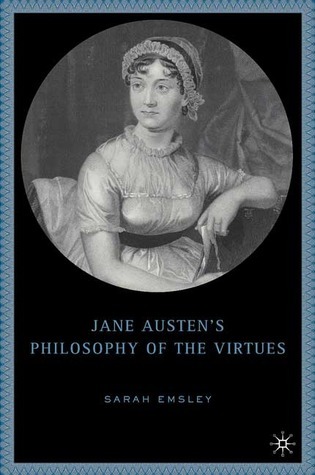
Jane Austen’s Philosophy of the Virtues, by Sarah Emsley. This slim volume is a fascinating deep-dive into Austen’s use of the virtues. It’s somewhat academic, and expensive, but I got it through inter-library loan, from a college library. Well worth reading.
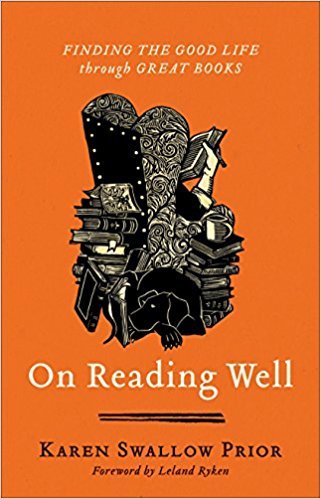
On Reading Well, by Karen Swallow Prior. This book explores the virtues, using a classic work of literature to illustrate each one. Chapter 10, on Patience, is based on Jane Austen’s Persuasion. (The other chapters are not on Austen.) The book is available on Kindle Unlimited, as well as to buy for print and Kindle. You can also find a number of Karen Swallow Prior’s talks about Jane Austen online, and you might enjoy her annotated version of Sense and Sensibility.
What is one of the virtues that stands out to you in one of Austen’s novels? How might you seek to grow in that virtue?
May your New Year be filled with faith, hope, and love, and with all kinds of goodness.
Discover more from Faith, Science, Joy, and Jane Austen
Subscribe to get the latest posts sent to your email.


Thank you, Brenda! I’m so glad you enjoyed my book. Happy New Year!
LikeLike
Please unsubscribe me. Thanking you in advance
LikeLike
I’m sorry that I cannot do that for you. But you can go to this link for instructions. Blessings to you. https://wordpress.com/support/unsubscribe-from-a-wordpress-com-blog/
LikeLike